
"arabica growing zones"
500 article(s) found
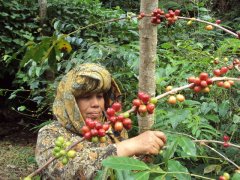
The common sense of coffee tree planting can coffee trees be planted at home? what are the disasters of coffee trees?
Professional coffee knowledge exchange more coffee bean information please follow the coffee workshop (Wechat official account cafe_style) A coffee tree bears fruit several times a year. Coffee trees grow in the tropics between Tropic of Cancer and Tropic of Cancer and near the equator. There are also great differences in appearance among the so-called world coffee growth zones, caffeine varieties and regional factors. Evergreen

About the coffee growing belt
Most of the coffee producing areas in the world are located in the tropics between the Tropic of Cancer and the Tropic of Cancer, which we call the coffee belt and Coffee Belt or Coffee Zone in English. As a tropical cash crop, coffee trees grow in coffee belts with excellent climatic conditions, where the sun shines all the year round, is rich in calories and Rain Water, and the annual average temperature is above 20 ℃. But the high temperature
The basic knowledge of high-quality coffee about coffee trees
The origin of the coffee tree is Ethiopia in Africa. In botany, coffee trees belong to the long green trees of the subgenus Rubiaceae, and coffee beans, commonly known as coffee beans, are actually the seeds of the fruit of coffee trees, just because they are shaped like beans, so they are called coffee beans. Climate is the decisive factor for coffee cultivation. Coffee trees are only suitable for growing in the tropics or subtropics, so latitude 25 is south and north.

The basic knowledge of Coffee planting the basic knowledge of Coffee trees
The origin of the coffee tree is Ethiopia in Africa. In botany, coffee trees belong to the long green trees of the subgenus Rubiaceae, and coffee beans, commonly known as coffee beans, are actually the seeds of the fruit of coffee trees, just because they are shaped like beans, so they are called coffee beans. Climate is the decisive factor for coffee cultivation. Coffee trees are only suitable for growing in the tropics or subtropics, so latitude 25 is south and north.
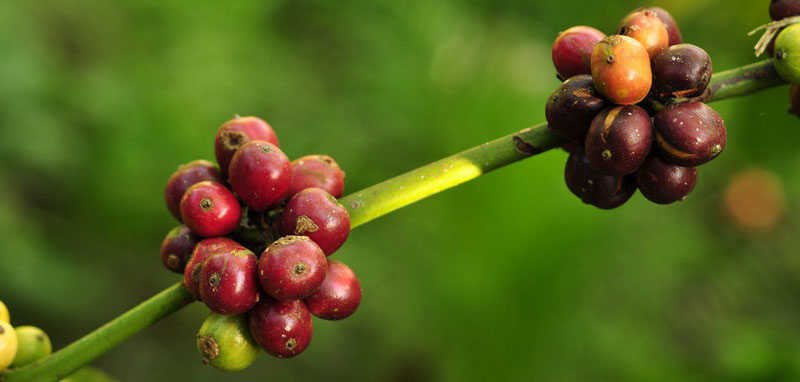
Introduction to Coffee-exploring the color and aroma of coffee beans from the root
[cultivation of coffee trees] Coffee trees are evergreen shrubs of the Akanaceae family and belong to the Rubiaceae family in plant taxonomy. Since ancient times, most of the plants of the family Rubiaceae have special effects, such as quinine, which is regarded as a specific drug for malaria. and Dugan for the treatment of amoeba dysentery. Native to Abyssinia in East Africa, it is now mainly concentrated in the tropical zone or subtropics of America, Africa, and Asia.

Introduction of coffee beans in southern Laos dao coffee introduces the flavor characteristics of coffee beans in Laos
Professional coffee knowledge exchange more coffee bean information please follow Coffee Workshop (Wechat official account cafe_style) Laos, Southeast Asia's only landlocked country, has played an important role in the Golden Triangle drug trade over the past few decades. To help Laos get rid of opium poppy cultivation, the United Nations Office on drugs and Crime launched a campaign in 10 villages that used to grow opium poppy in Wapan province, near the border with Vietnam.

Barista course
Climate is the decisive factor for coffee cultivation. Coffee trees are only suitable for growing in the tropics or subtropics, so the zone between latitude 25 degrees south and north is generally called

Basic knowledge about coffee trees the origin of coffee trees is in Ethiopia, Africa.
The origin of the coffee tree is Ethiopia in Africa. In botany, coffee trees belong to the long green trees of the subgenus Rubiaceae, and coffee beans, commonly known as coffee beans, are actually the seeds of the fruit of coffee trees, just because they are shaped like beans, so they are called coffee beans. Climate is the decisive factor for coffee cultivation. Coffee trees are only suitable for growing in the tropics or subtropics, so latitude 25 is south and north.

Where are the coffee beans grown? Coffee growing belt
Most of the coffee producing areas in the world are located in the tropics between the Tropic of Cancer and the Tropic of Cancer, which we call the coffee belt and Coffee Belt or Coffee Zone in English. As a tropical cash crop, coffee trees grow in coffee belts with excellent climatic conditions, where the sun shines all the year round, is rich in calories and Rain Water, and the annual average temperature is above 20 ℃. But the high temperature

The main characteristics of Yunnan Coffee Flavor the number of manors in the domestic producing areas of Yunnan coffee
Professional coffee knowledge exchange more coffee bean information Please follow the coffee workshop (Wechat official account cafe_style) in recent years, with the increasing demand for coffee at home and abroad, China's coffee industry has also made a new improvement. Perhaps in the eyes of most Chinese, Yunnan has always been the rural land of China or the capital of tea. It also has one of the few in the land of China

What are the advantages of Arabella and Robusta, the big categories of world coffee beans? The common Arabica
Professional coffee knowledge exchange more coffee bean information please follow the coffee workshop (Wechat official account cafe_style) the world coffee bean classification of Arabella and Robusta advantages? How many kinds of Arabica are common? The world's three major coffee varieties are relatively brief: one. Types of coffee: coffee beans can be roughly divided into three categories: (1) Arabica (Arab)

The two main types of coffee trees
Arabica bean coffee trees can be divided into two main varieties: Arabica (Coffea Arabica) and Robusta (Coffea Robusta/Coffea Canephora). In addition, there are some minor species, such as Coffea Liberica and Coffea Arabusta, but they are rare on the market. Rob, Stadou, Rob.

Yunnan Arabica Coffee with Moderate Acidity Huaguoshan Fine Coffee Bean Origin and Development History and Culture Introduction
Because of the excellent quality of Yunnan coffee, Lujiang No.1 entered the London market in the 1960s and was rated as a first-class product. In recent years, world-famous coffee companies such as Nestle and Mai's have come to Yunnan to open up raw material bases, and Yunnan's products have gradually gained popularity at home and abroad. At present, the average yield of coffee in Yunnan Province has reached 964 kg, and a family contracted land in Lujiang has reached 40 kg.

Coffee growing belts are located in the tropics between the Tropic of Cancer
Most of the world's coffee producing areas are located in the tropics between the Tropic of Cancer, which we call the Coffee Belt or Coffee Zone. As a tropical cash crop, coffee trees grow in the coffee belt with excellent climatic conditions, where direct sunlight all year round, abundant heat and abundant rainfall, and the annual average temperature is above 20℃. but the high temperature

How to drink Latin American Coffee Latin American Coffee cultivation Culture Latin American Coffee characteristics
Professional coffee knowledge exchange more coffee bean information please follow the coffee workshop (Wechat official account cafe_style) Coffee growth belt is distributed between 25 degrees south and north latitude. The countries located in this growth zone include not only Ethiopia, Yemen and Kenya, but also the vast expanse of Latin America. Arabica (Arabica) is a high altitude variety, which is the mainstream variety of coffee.
Basic knowledge of fine coffee the growth environment of small-grain coffee
Small grain coffee scientific name: Coffea arabica family genus: Rubiaceae coffee genus morphological characteristics: small trees or large shrubs, plant height 5 meters 8 meters. Base usually much branched, old branches gray-white. Nodes inflated, young branches glabrous. Leaves thinly leathery-ovate-lanceolate or lanceolate, apex long acuminate, base cuneate or slightly obtuse, entire or shallowly wavy, both surfaces glabrous. Cymes several clustered in leaf axils
Basic knowledge of Coffee Coffee planting Belt
Most of the coffee producing areas in the world are located in the tropics between the Tropic of Cancer and the Tropic of Cancer, which we call the coffee belt and Coffee Belt or Coffee Zone in English. As a tropical cash crop, coffee trees grow in coffee belts with excellent climatic conditions, where the sun shines all the year round, is rich in calories and Rain Water, and the annual average temperature is above 20 ℃. But the high temperature

Does the growing environment of Daquan coffee affect the quality and flavor of coffee beans growing countries and producing areas in the world?
The ideal conditions for the growth of coffee trees all over the world are located in the equatorial zone between 25 degrees north latitude and 30 degrees south latitude, known as the bean belt. Fussy Arabica coffee grows best in high-altitude fertile soil, while healthier robusta coffee prefers higher temperatures and thrives on lower ground. What affects coffee?

What are the suggestions for baking single bean in Shaqisuo area?
For the exchange of professional baristas, please follow the coffee workshop (Wechat official account cafe_style) □ Ethiopia District is divided into four levels, the order from large to small is Region, Zone, woreda, kebele. Most of the names of raw coffee beans follow this rule. This Guji / Shaquiso is located in the southeast of Yejia Sheffield, a well-known producing area, and is subordinate to the division of administrative regions.

The difference between Katim Coffee beans and Tibica Coffee beans _ how much is a cup of Katim coffee
Professional coffee knowledge exchange more coffee bean information Please pay attention to Coffee Workshop (Wechat official account cafe_style) the area with the best coffee quality in Yunnan should be located between 15N and 23.5N, and small seed coffee should be planted in the mountains at an altitude of 800m to 1800m, southern Yunnan happens to be located in this golden zone, low latitude, high altitude and large temperature difference between day and night. Most of Yunnan coffee